Optimizing Your Digital Presence: A Roadmap for Modern Advocacy Groups
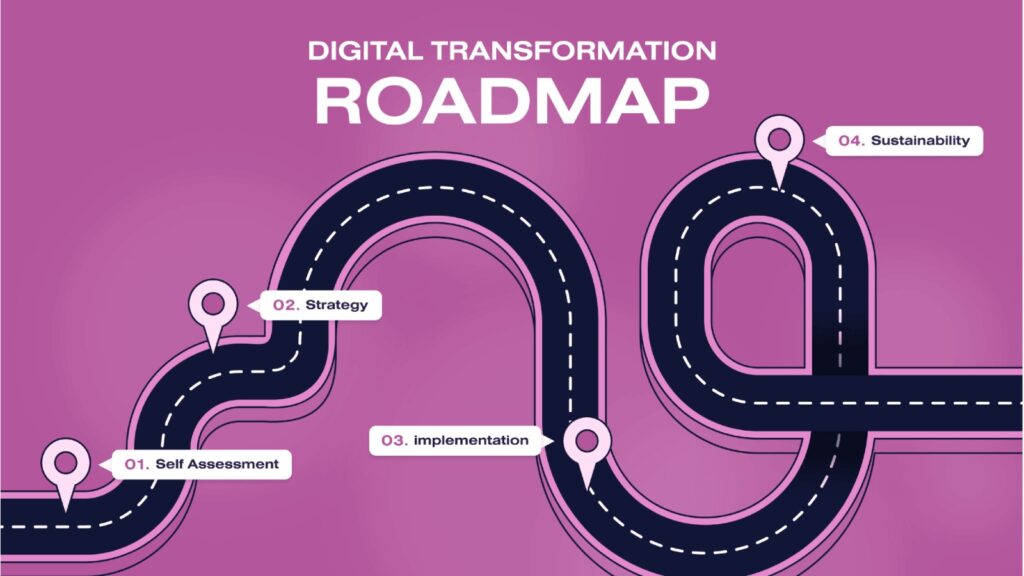
In 2026, a social impact organization’s digital presence is no longer just a “virtual brochure.” It is its primary headquarters, its most powerful megaphone, and its most efficient engine for mobilization. However, many advocacy groups still operate with digital tools that are fragmented or outdated, creating “digital friction” that quietly erodes their influence. To move from simple reach to real-world impact, organizations must adopt a strategic roadmap for digital optimization. UX for Social Change: Reducing the Friction to Act User Experience (UX) design is often discussed in the context of e-commerce, but it is equally vital for advocacy. In the impact sector, your “conversion” isn’t a sale—it’s a signed petition, a volunteer signup, or a donation. If a supporter arrives at your site and cannot figure out how to take action within five seconds, you haven’t just lost a click; you’ve lost an advocate. Optimizing for advocacy means simplifying the “user journey.” This involves clear calls-to-action (CTAs), intuitive navigation, and, most importantly, speed. Every additional second a page takes to load or every extra field in a signup form represents a barrier between a supporter’s intent and their action. Mobile-First and Inclusive Accessibility For organizations working in emerging markets, particularly across Africa, a “mobile-first” strategy is not an option—it is the standard. Most advocates and beneficiaries access information via smartphones, often on low-bandwidth networks. A modern digital roadmap must prioritize: Lightweight Assets: Using optimized images and clean code to ensure accessibility even in areas with limited connectivity. Mobile Responsiveness: Ensuring that complex data, like impact maps or annual reports, are perfectly legible on a small screen. Accessibility Standards: Adhering to WCAG (Web Content Accessibility Guidelines) to ensure that people with disabilities can engage with your movement without barriers. From Reach to Community-Centric Strategy The metrics of the past—likes and followers—are increasingly seen as “vanity metrics.” A truly optimized digital presence focuses on engagement depth. This means moving beyond broadcasting messages to creating digital spaces where a community can interact. Whether through integrated discussion forums, interactive impact dashboards, or localized social media content, the goal is to transform passive followers into an active, self-sustaining community. Data as a Transparency Tool Finally, digital optimization allows for radical transparency. Modern donors and partners want to see where their contributions go in real-time. By integrating live data visualization and “story-maps” into your digital presence, you provide proof of impact that static PDF reports simply cannot match. This transparency builds the ultimate digital asset: long-term trust
Dignity in Representation: Why Ethical Imagery Matters in Development Communication

For decades, the “business of doing good” relied on a specific type of visual language: the close-up of a tearful child, the depiction of barren landscapes, and images of profound helplessness. Known colloquially as “poverty porn,” these visuals were designed to trigger a quick visceral reaction—pity—that led to immediate donations. However, as we move further into 2026, the global development community is undergoing a necessary reckoning. We are realizing that while pity might open a wallet, it often closes the door to true partnership and dignity. The Hidden Cost of Exploitative Imagery The problem with “deficit-based” imagery—focusing solely on what a community lacks—is twofold. First, it strips the subjects of their agency. It reduces complex human beings with stories, skills, and dreams to mere “beneficiaries” of Western or institutional aid. Second, it reinforces harmful, colonial-era stereotypes about the Global South, suggesting a permanent state of crisis that only external intervention can solve. When an organization uses these images, they may gain a short-term financial boost, but they lose long-term credibility. Modern audiences, particularly younger generations of donors, are increasingly sensitive to these power dynamics. They are looking for organizations that treat the people they serve as partners in change, not as props for a fundraising campaign. Shifting to Asset-Based Framing Ethical communication requires a shift toward Asset-Based Framing. This approach focuses on the strengths, aspirations, and contributions of individuals and communities. Instead of showing a person defined by their poverty, we show them defined by their resilience, their leadership, or their craft. For example, instead of a photo of a child waiting for food, an ethical narrative might show that same child in a classroom, or a local farmer successfully implementing a new irrigation technique. This doesn’t mean we ignore the reality of the challenges; it means we provide the full context. It means showing that the “solution” to a social issue often resides within the community itself, supported by the NGO’s resources. The Consent and Power Dynamic Ethical imagery is also about the process behind the camera. It involves “Informed Consent” that goes beyond a signed paper. It means ensuring the person being photographed understands how their image will be used and feels empowered by the portrayal. It’s about asking: “Does this image represent this person as they would wish to be seen by the world?” As impact partners, our role is to act as curators of dignity. By choosing inclusive and respectful visuals, we help build a world where development is not something “done to” people, but something “achieved with” them. In the end, representation is not just a design choice—it is a form of social justice.
Why a Strong Brand Identity is the Secret Weapon of High-Impact NGOs
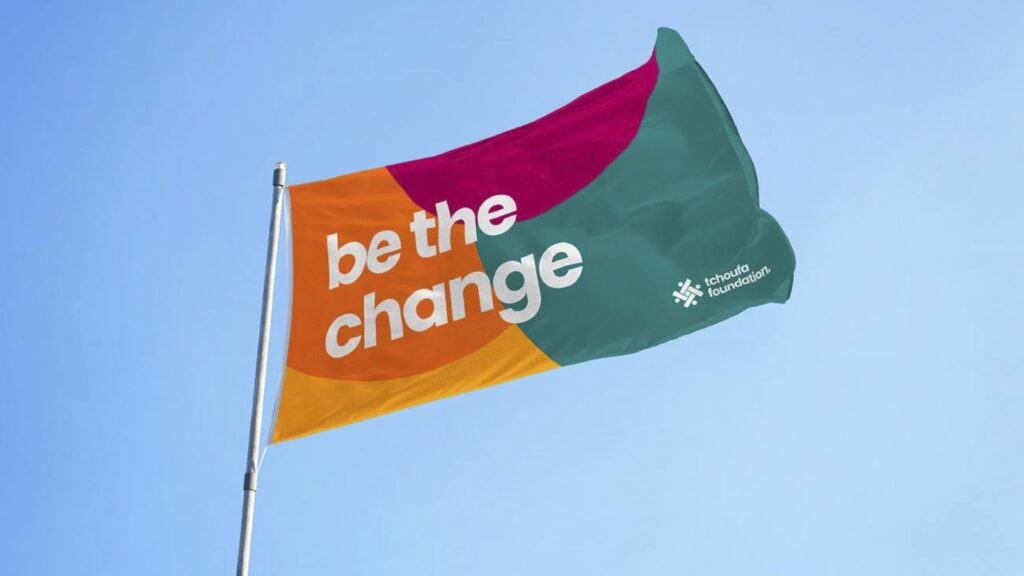
In the non-profit sector, “branding” has long been a misunderstood term. For many organizations, it carries a corporate stigma, often viewed as a luxury—or worse, a distraction—from the “real work” on the ground. However, as the global landscape for social impact becomes increasingly crowded and competitive, it is becoming clear that a strong brand identity is not just a cosmetic asset; it is a strategic necessity Moving Beyond the “Marketing” Myth The primary barrier to professional branding in the social sector is the misconception that it is purely about selling. In reality, for an NGO or social venture, branding is about clarity and consistency. It is the visual and emotional shorthand for your mission, your values, and your promise to the community. When an organization’s visual identity is fragmented—using different logos, mismatched colors, or inconsistent messaging—it sends a subtle signal of disorganization. Conversely, a cohesive brand communicates that the organization is stable, professional, and capable of managing the complex challenges it seeks to solve. In 2026, where digital transparency is paramount, your visual identity is the “front door” of your organization The “Trust Dividend” in Fundraising Trust is the primary currency of the impact world. Donors, whether they are individual supporters or large institutional foundations, are making an investment in change. They look for signals of credibility before committing resources. A professional brand identity acts as a “Trust Dividend.” It reduces the perceived risk for the donor. When an impact report is as well-designed as a top-tier corporate annual report, or when field staff wear a recognizable and dignified visual identity, it reinforces the narrative that the NGO is a high-performing entity. Professionalism in design suggests professionalism in operations, making the “ask” for funding significantly more effective. Internal Alignment: The North Star Beyond external perception, branding plays a critical role in internal alignment. A strong “Impact Brand” framework helps staff and volunteers understand the core essence of their work. It provides a “North Star” that guides decision-making and communication. When every member of the team can articulate the mission through a unified visual and verbal language, the organization’s collective voice is amplified. The Strategic Shift To remain relevant, modern advocacy groups must stop seeing branding as a cost and start seeing it as an investment in their mission’s longevity. A strong brand doesn’t take away from the cause; it gives the cause the platform it deserves to be heard, respected, and funded. In an era of “information overload,” your brand is what ensures your mission doesn’t just exist, but truly resonates.
The Power of Visual Narrative: How Design Can Humanize Complex Social Issues
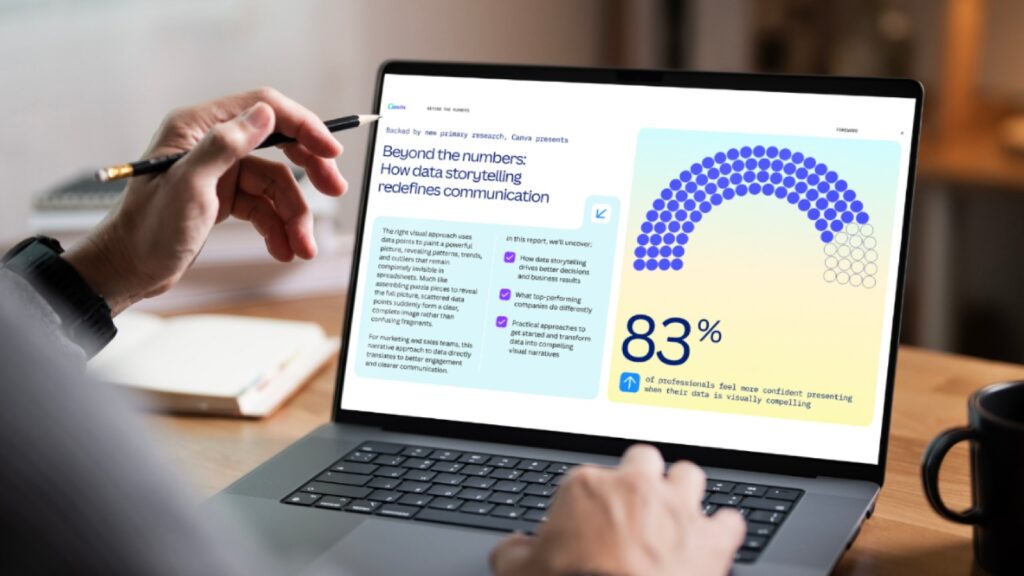
In the realm of social impact, we often find ourselves trapped in what experts call “the numbness of numbers.” We speak of millions of hectares lost to deforestation, thousands of displaced families, or percentage points in literacy rates. While these statistics provide the necessary scale for policy-makers, they often fail to trigger the one thing essential for social change: human empathy. This is the fundamental challenge of advocacy, and it is where the strategic power of visual narrative becomes a game-changer. The Psychology of Connection Why does a single photograph often mobilize more resources than a 200-page scientific report? The answer lies in the Identifiable Victim Effect. Psychological research suggests that individuals are far more likely to offer aid when they see a specific, identifiable face rather than a large, anonymous group. Design serves as the bridge between these cold data points and the human heart. By moving beyond generic stock photos and choosing—or creating—visuals that highlight individual agency and emotion, designers help NGOs break through the “bystander effect.” When a complex crisis is humanized through a thoughtful visual narrative, the audience stops being a spectator and begins to feel like a stakeholder. The Designer as a Strategic Translator Effective advocacy design is not about making a report “look pretty.” It is an act of translation. A designer’s role is to take a dense thicket of information—white papers, legal frameworks, or field data—and distill it into a visual journey that a busy donor or politician can grasp in seconds. This process involves several strategic layers: Visual Hierarchy: Guiding the eye to the most critical “human” element of the story before introducing the supporting data. Color Theory and Mood: Using palettes that evoke the right emotional response—whether it is the urgency of red for a crisis or the hopeful greens and blues of a sustainability project. Typography and Voice: Selecting fonts that carry the weight and dignity of the cause, ensuring the message feels authoritative yet accessible. From Awareness to Visceral Understanding When we humanize data, we transform “awareness” into “understanding.” For example, instead of a bar chart showing the rise in global temperatures, a visual narrative might focus on a specific farmer in the Sahel, using split-screen visuals to show the transformation of their land over a decade. This isn’t just information; it is a visceral experience. In 2026, where digital fatigue is at an all-time high, the organizations that win the battle for attention are those that lead with a story. By prioritizing visual storytelling, social ventures don’t just inform their audience—they inspire them to act. At its core, design is the tool that turns a “social issue” back into a “human story.”